Seminar Dates: November 4, 2026 1:00 PM
Seminar Cost: $45.00 Register Now
Seminar Description:
Soil salinization occurs naturally or due to human activities, e.g. irrigation. It is more severe in arid areas, especially when the water sources with high salt content (ground water, reclaimed waste water, or fertilizer-added water) are used. After the water is transpired by plants or evaporated, the salts stay in the soil. With time, it builds up the soil salinity. When it is too high, plants start to be stressed and the growth can be significantly affected. In agriculture, farmers can cope with the soil salinity by switching crops, but urban trees mean to stay in one place for decades and centuries, it is a slow suicide and it may become catastrophic in the near future.
Reducing irrigation can be a solution, but how to keep the soil moisture level and improve the overall health of the urban trees? This presentation will introduce a novel solution to achieve this goal.

Learning Objectives:
1. Learn the benefits of healthy trees and the importance of nurturing them to maturity and keeping them healthy.
2. Understanding the basics of soil genomics and the factors that affect the soil microbiome, leading us to treat soils differently.
3. Practice and support technologies that promote and boost the soil microbiome and the underground community that includes microbials, insects, organic matter, water, and air.
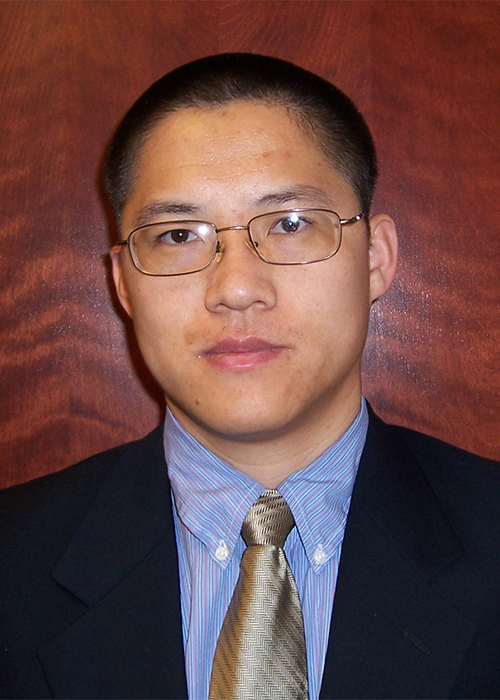
Wei Zhang
Zynnovation LLC
Wei Zhang is the VP of Research and Development at Zynnovation LLC, aka TreeDiaper. He is also the Education Coordinator at The Institute of Soil Genomics for Healthy Community Forests. He holds a Ph.D. degree in Engineering from Virginia Tech and has been doing research & development for the green industry for 15 years. His research areas include watering solutions for landscape plants, the relationship between soil/water/air, and plant protection against stresses like drought and road salt. His work also provides novel solutions to green stormwater infrastructures, for which plants are used for the treatment of pollutants in stormwater.
He has more than 40+ peer-reviewed scientific journal articles, one monograph, and 200+ conference presentations. He has been a frequent speaker on Arboriculture, Landscape Architecture, Urban Forestry, Stormwater Green Infrastructure, and related conferences and symposiums. He is known as a scientist, educator, and public speaker. Dr. Zhang is an ASLA-approved LA CES provider.